Our team at HortCulture shares how we implement green gardening Sydney practices to improve local biodiversity. In this guide to eco-friendly gardening services Sydney homeowners can trust, you’ll learn:
- Transitioning to chemical-free “Living Soil”
- Adopting zero-emission battery equipment
- Applying the 80/20 native planting rule
- Reducing water waste in residential strata
For many Sydney homeowners, the goal is a lush, inviting garden that supports local birdlife without relying on harsh chemicals. At HortCulture, we see firsthand how thoughtful, eco-friendly choices can completely turn a tired yard into a resilient, living ecosystem.
If you are looking for eco-friendly gardening services in Sydney, our garden maintenance team focuses on soil health, water efficiency and low-emission equipment to keep your garden thriving while lessening your carbon footprint.
Building a Living Soil
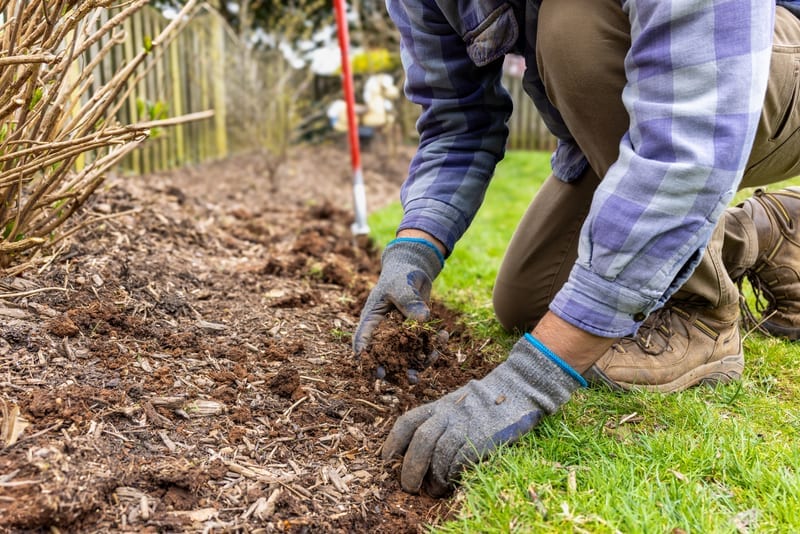
Standard fertilisers often provide a quick growth spurt but degrade soil health over the long term. Organic soil management is the most effective way to improve plant resilience in urban Sydney environments.
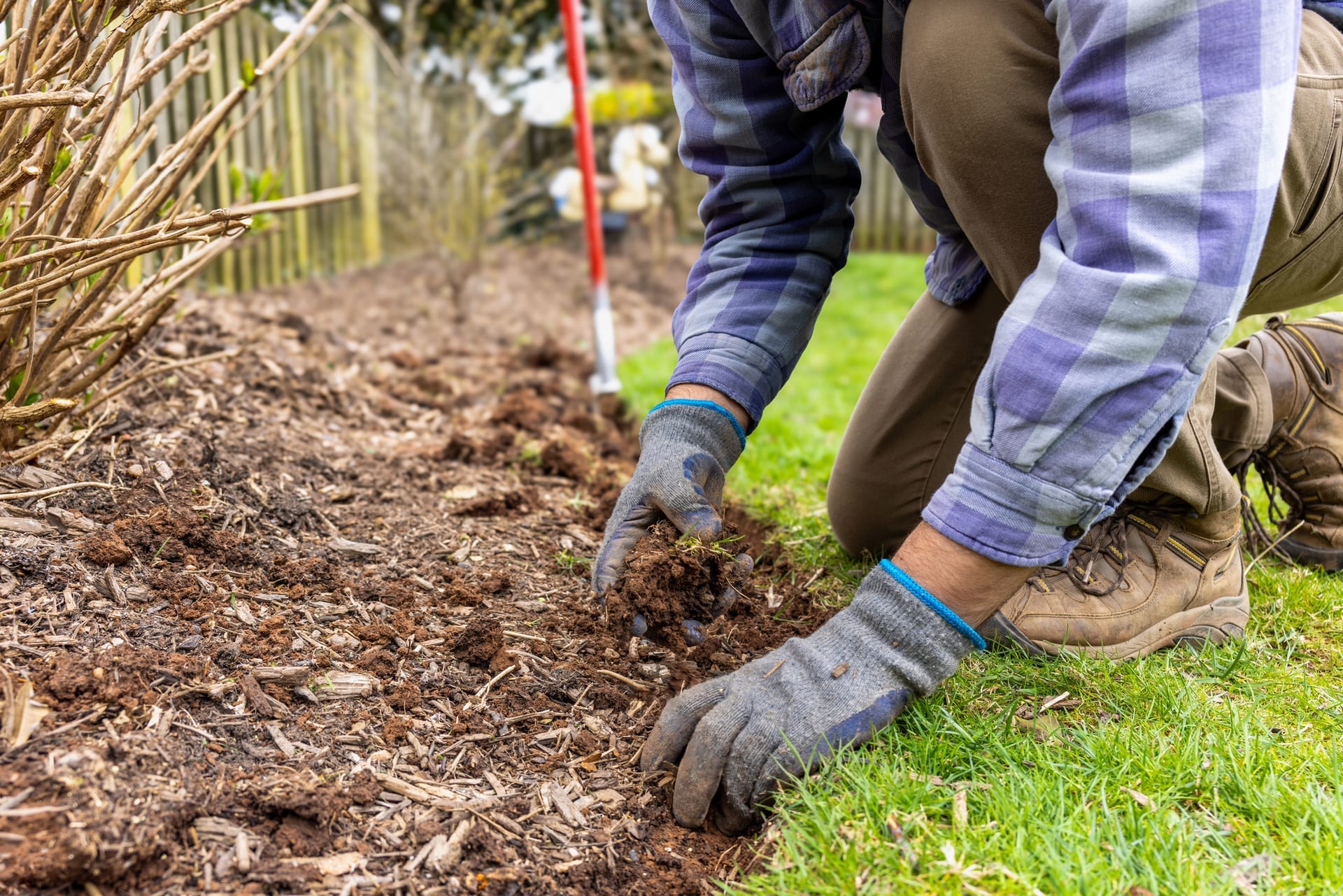
Environmentally friendly, sustainable gardening in Sydney focuses on building living soil by using organic composts and microbial stimulants.
- Feed the hidden workers, like worms and fungi that naturally aerate your garden soil.
- Reduce chemical runoff. Using organic fertilisers ensures that excess nutrients don’t end up in our precious Sydney waterways.
- Improve water retention. Soils rich in organic matter hold moisture for longer, which is vital during dry spells.
Zero-Emission Environmentally Friendly Gardening
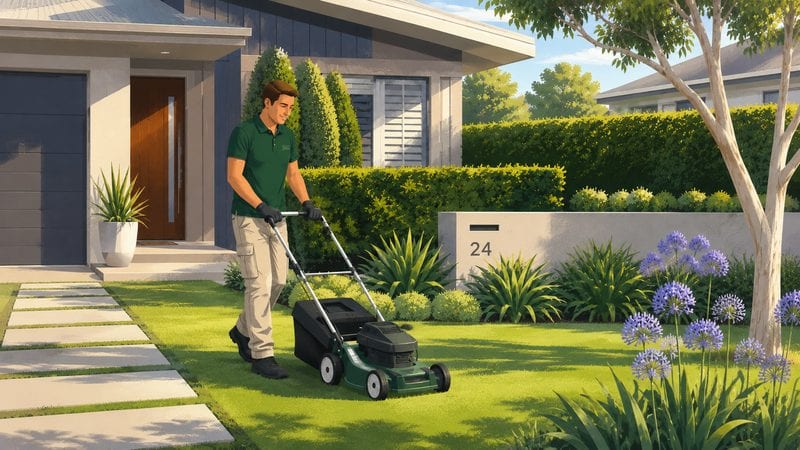
The traditional image of a gardener – surrounded by two-stroke smoke and the constant buzz of petrol equipment – has changed dramatically. Modern green gardening in Sydney now prioritises quieter, cleaner tools that are better suited to residential environments.
After transitioning our entire fleet to battery-powered equipment, we have seen firsthand how much difference reduced noise and emissions make to everyday life on the North Shore. Gardens can now be maintained efficiently without disrupting the peace of surrounding homes.
For homeowners and strata properties alike, the move to battery-powered equipment offers several clear advantages:
- Prioritise battery equipment to significantly reduce your garden maintenance’s daily carbon emissions.
- Improving strata living with noise reduction is an essential feature for properties where keeping the peace is just as important as a tidy hedge.
- Reduced carbon footprint: Switching to electric tools significantly reduces the daily carbon emissions of your garden maintenance and doesn’t contribute to local air pollution.
The 80/20 Rule for Biodiversity
We often apply the 80/20 rule to gardening services schedules. This means focusing 80% of your garden on hardy, indigenous plants, like Grevilleas or Banksias, that are perfectly suited to the local soil. The other 20% could be reserved for your high-impact exotics or “trial” plants. This ensures the bulk of your garden thrives with minimal water and zero chemical pesticides.
If you are ready to make sustainable gardening alterations to your Sydney garden, our team is here to help. We design and maintain gardens in Sydney using eco-friendly gardening services that prioritise biodiversity, soil health and long-term ease of care. Whether you need organic soil health advice or green gardening maintenance in Sydney, get in touch with HortCulture today.
FAQs
What is the most eco-friendly way to garden?
The most sustainable approach involves using native plants, installing drip irrigation to save water, composting garden waste on-site, and avoiding synthetic pesticides that harm beneficial insects and soil microbes.
Should I water my garden every day in hot weather in Australia?
No. It is better to water deeply 2 to 3 times per week. Daily watering often leads to shallow roots and increased evaporation, making plants less resilient to extreme heat.
What is the 80/20 rule in gardening?
In a sustainable context, it involves planting 80% hardy, low-maintenance native species and 20% exotics. This ensures the garden remains resilient and water-wise while still allowing for variety and aesthetic hero plants.