Sydney's mild winters and warm, wet summers mean weeds grow almost all year. This guide covers the natural methods that work, what homemade weed killers can and can't do, the weeds Sydney gardens struggle with most, and when a weed killer is the better choice. If a whole garden has got away from you, professional weed removal is usually faster than tackling it bed by bed.
What's the best way to get rid of weeds naturally?
The best natural method depends on where the weeds are and how established they've become. Young annual weeds are easy; perennial weeds with bulbs, tubers or deep roots need repeated effort.
| Method | Best for | Limits |
|---|---|---|
| Hand-pulling or digging | Most garden-bed weeds, especially after rain when soil is soft | Leaves bulbs or root pieces behind if you snap the stem; slow on large areas |
| Hoeing | Seedlings in open beds, on a dry day so they wither | Doesn't stop perennials regrowing from roots |
| Mulching (50–75 mm) | Stopping new weeds in beds once they're cleared | Won't stop established perennials pushing through |
| Smothering (cardboard under mulch) | Clearing a weedy patch for a new bed | Takes six weeks or more; perennials may survive |
| Boiling water | Weeds in paving cracks and gravel | Kills any plant it touches; not for garden beds |
| Vinegar | Young annual weeds on paths, on a hot, sunny day | Burns leaves only; roots often regrow (see below) |
Pull weeds the right way
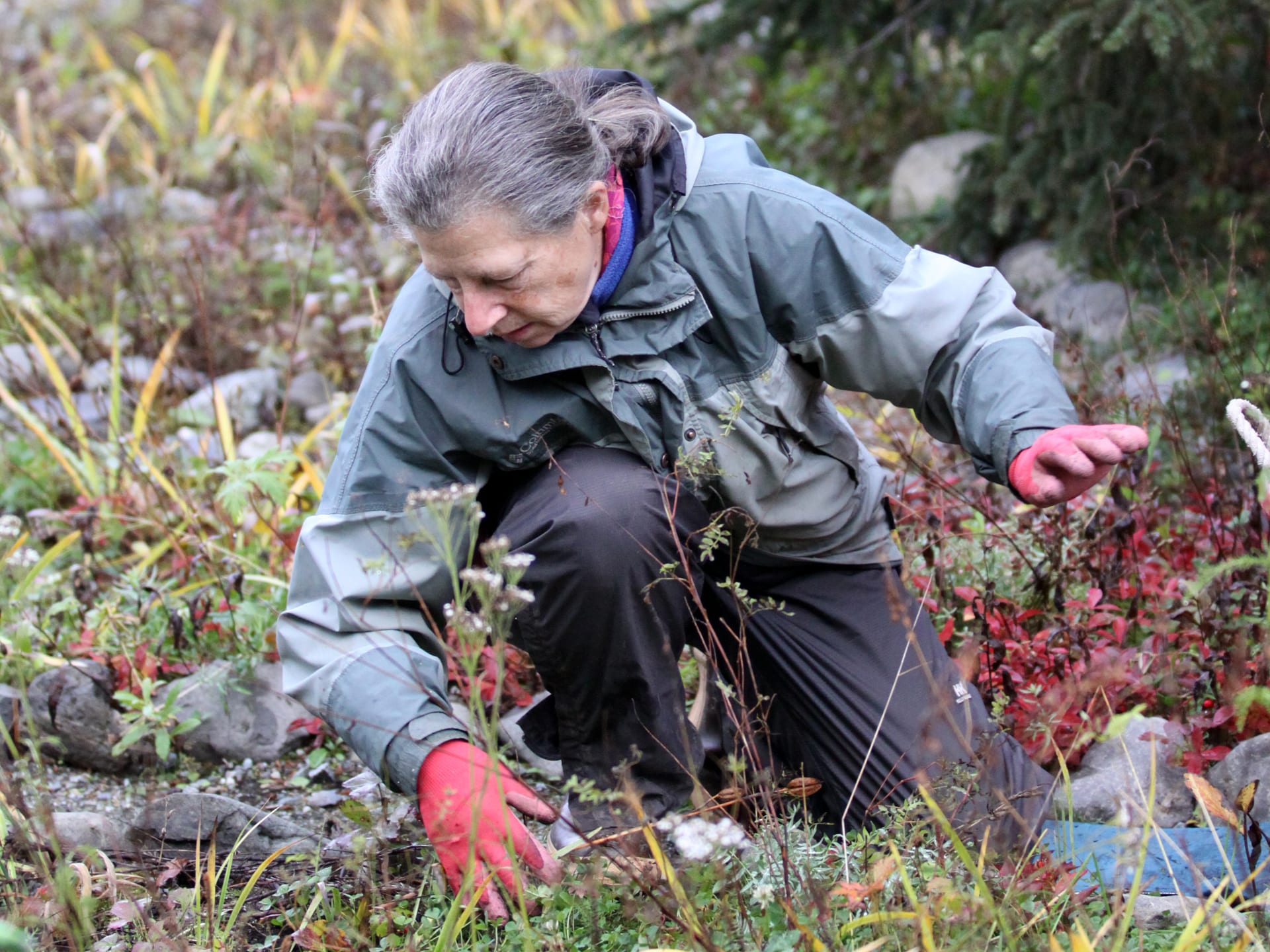
Water the area the day before, or weed after rain. Grip the weed at the base, not the leaves, and ease it out slowly so the root comes with it. For deep-rooted weeds, loosen the soil first with a hand fork or a weeding tool. Bag weeds that are flowering or seeding instead of composting them.
Weed little and often
A weed removed before it flowers can't drop hundreds of seeds. Ten minutes a week in spring and summer prevents far more work than a big clean-up every few months. If it's already past that point, start with our garden clean-up checklist.
Homemade weed killers: vinegar, salt and boiling water
Homemade weed killers work on young weeds in paving, but they rarely kill established weeds for good. They burn the leaves they touch rather than travelling down to the roots, so perennial weeds usually regrow within weeks.
Does vinegar kill weeds?
Vinegar kills the leaves it touches, usually within a day on a hot, sunny day. It doesn't move down into the roots, so annual seedlings die but established perennial weeds tend to regrow. It also burns any plant it lands on, including lawn and garden plants.
Stronger "cleaning" or horticultural vinegars work faster but can burn skin and eyes. Wear gloves and eye protection, and keep children and pets away until the spray has dried.
Why you shouldn't use salt
Salt kills weeds, but it also stays in the soil, where it damages the structure and stops anything growing for months. Rain washes it into nearby beds and lawn. Keep it off garden soil entirely; on paving, boiling water does the same job without the lasting damage.
Does boiling water kill weeds?
Boiling water kills most weeds it soaks, roots included if it reaches them, and leaves nothing behind in the soil. It's ideal for weeds in paving cracks, gravel and driveway joints. In garden beds it scalds the roots of the plants you want to keep, so use it only on hard surfaces.
Is there something in between?
If homemade sprays aren't enough but you'd rather avoid synthetic herbicides, look for registered "organic" contact weed killers. Most use plant-derived acids such as pelargonic acid and work like a stronger, more consistent vinegar. Like vinegar, they burn leaves rather than roots, so persistent weeds need repeat treatments. Check that the product is registered with the APVMA and follow the label.
Weeds in pavers, paths and driveways
Weeds between pavers grow in the sand and grit that collect in the joints, so removing them is only half the job. Clear the joint, then fill it so seeds have nowhere to land.
- Remove the weeds. Scrape them out with a paving weeder or an old knife, or pour boiling water along the joint and scrape once they've died back.
- Clean out the joint. Brush or blow out loose debris so you're back to firm sand.
- Refill the joint. Sweep in fresh jointing sand, or a polymeric sand that sets firm once wet, for wider gaps.
- Keep it clear. A stiff broom over paths every few weeks stops new seeds settling.
For gravel paths and driveways, a weed mat under the gravel stops most weeds coming up from the soil below (see How to stop weeds coming back). Seeds that blow in and root in the gravel itself are easy to pull while small.
Common Sydney garden weeds and how to remove them
The hardest weeds in Sydney gardens spread from bulbs, tubers or runners, so pulling the leaves just makes them regrow. Each needs the whole plant removed, usually more than once.
Oxalis
Oxalis has clover-like leaves and small yellow or pink flowers. Creeping oxalis spreads by runners and seed pods that flick seed across the bed; other types grow from tiny bulbs that snap off when you pull. Dig out the whole clump with the soil around it, bag it rather than composting it, and expect to repeat this through the season. Our guide to getting rid of creeping oxalis covers each type in more detail.
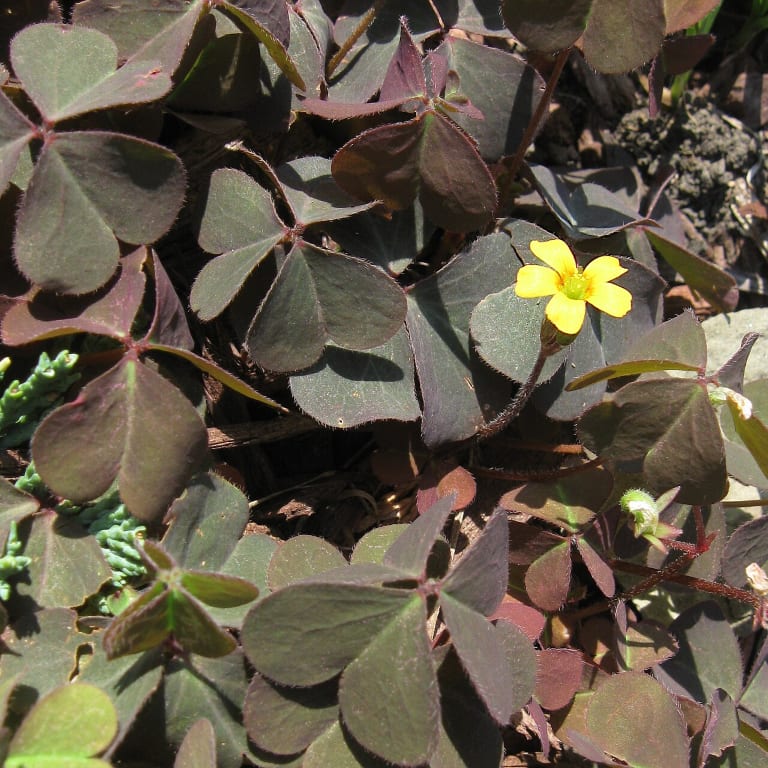 Cbaile19, via Wikimedia Commons
Onion weed
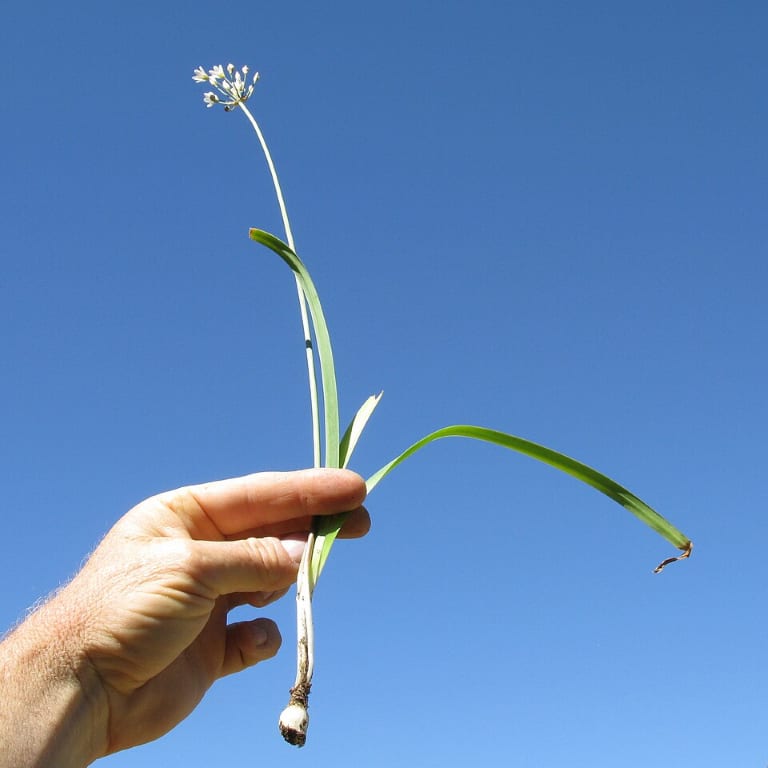
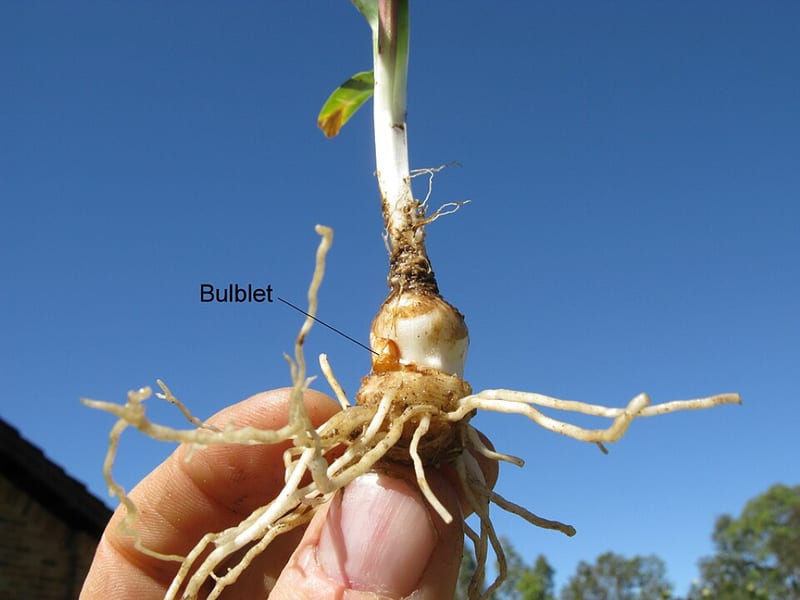
Onion weed has long, grass-like leaves and small white flowers on tall stalks. It grows from a bulb surrounded by dozens of small bulblets that break off and resprout. Pulling rarely works: dig deep under the clump with a trowel and lift the whole bulb cluster out. Its narrow, waxy leaves also shed most sprays, which is why it survives many weed killers. See our full guide to identifying and removing onion weed.
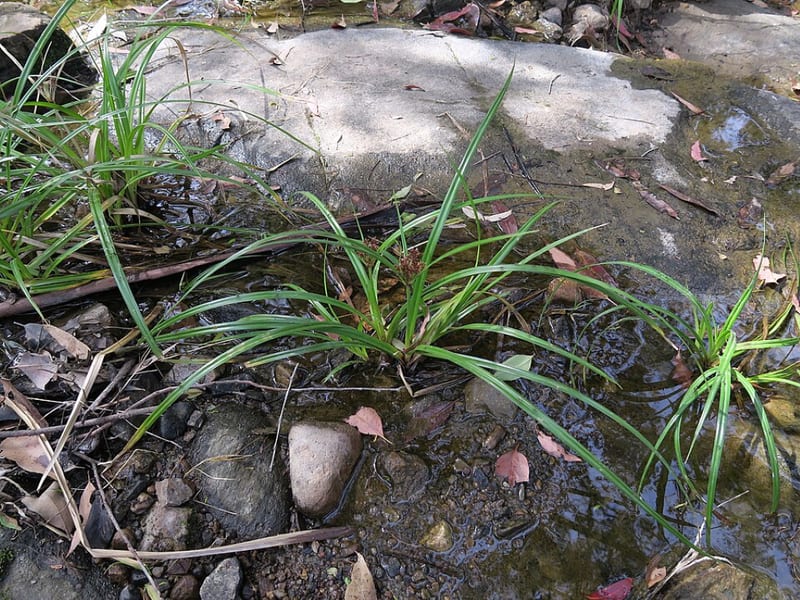
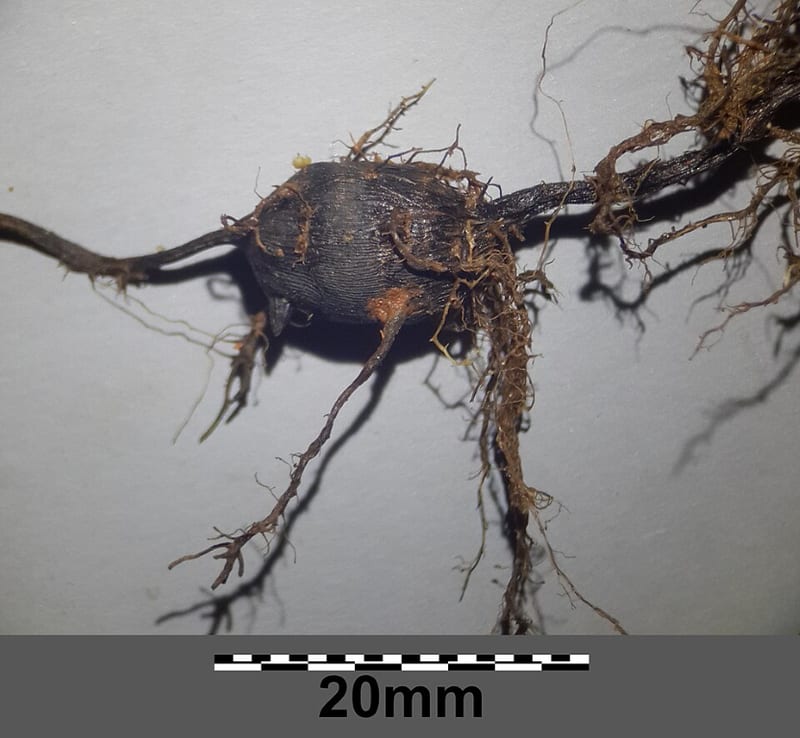
Nutgrass
Nutgrass looks like grass but has a triangular stem and glossy leaves. Underneath, it spreads through chains of small tubers (the "nuts") that resprout when the plant is pulled. Dig out the tubers as well as the plant, and keep removing new shoots before they make more. In lawns it usually needs a selective herbicide. Our guide to killing nutgrass explains why it keeps coming back.
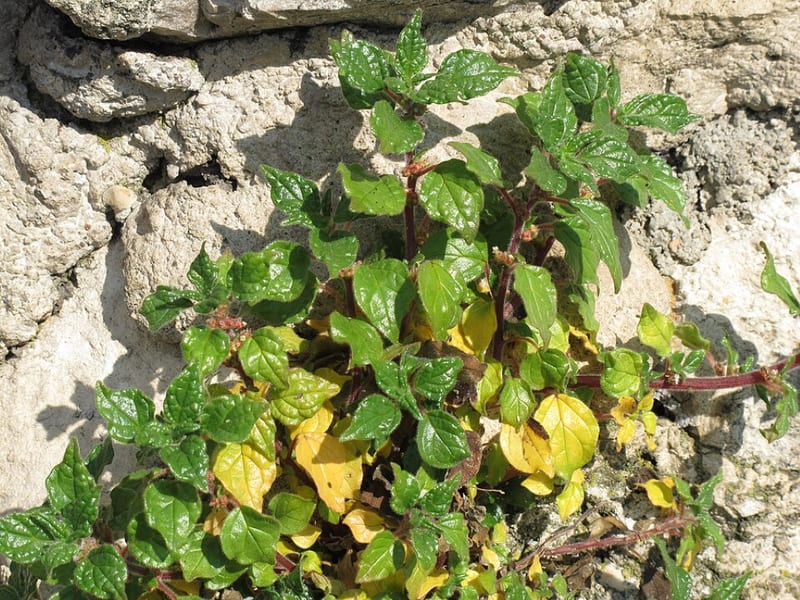
Asthma weed
Asthma weed (pellitory) is a sticky plant with hairy leaves and reddish stems that thrives in cracks and against walls, and NSW WeedWise notes it's common in Sydney suburbs. Its pollen can trigger asthma and hay fever, so wear gloves and a mask when you pull it. Remove it before it flowers and seeds.
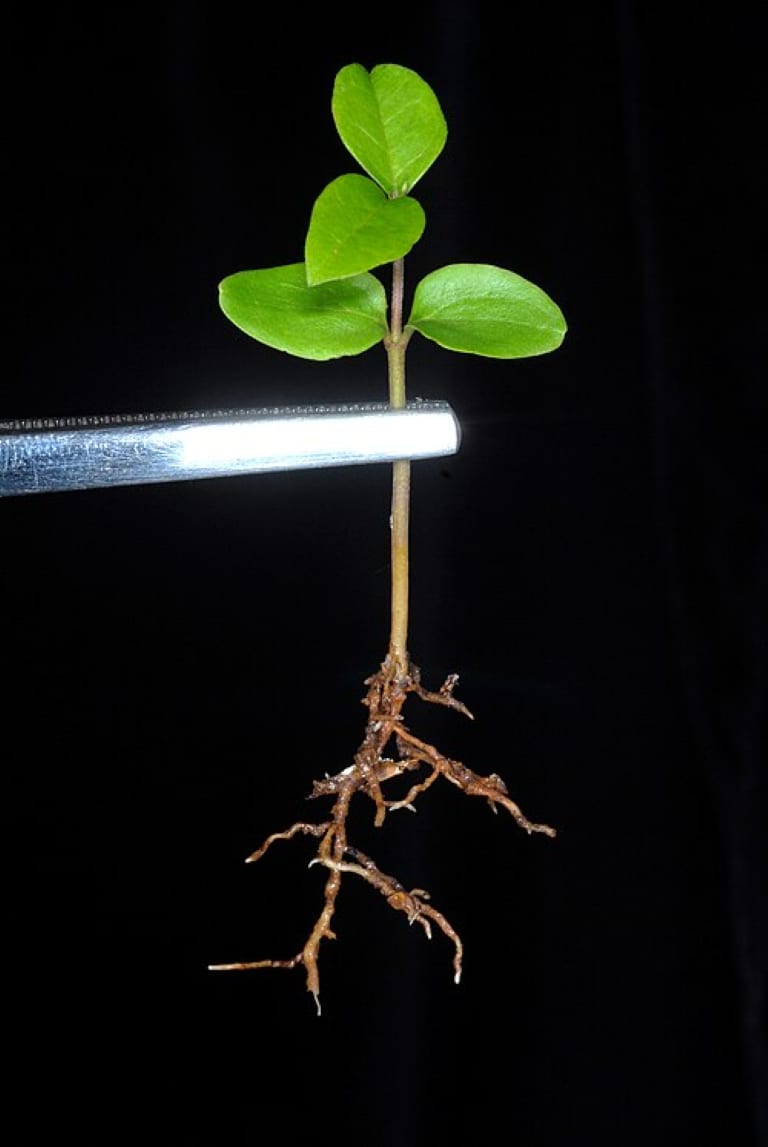
Privet seedlings
Privet seedlings spring up under trees and along fences, planted by birds that eat the berries. Pull them while they're small; once they're woody, cut them low and dig out the roots; large privet trees are a job for tree removal. If you're planting a hedge, choose one of the best hedge plants for Sydney instead. Privet is a major weed of Sydney's bushland, so don't let mature plants keep fruiting.
Weeds you're required to control
Under the NSW Biosecurity Act 2015, landholders have a general duty to manage weed risks on their property, and some weeds are listed as priority weeds with specific requirements. Check the Greater Sydney priority weeds list on NSW WeedWise if you're unsure about a plant in your garden.
How to stop weeds coming back
Weeds need light and bare soil to germinate, so the way to stop them coming back is to leave none. Mulch, dense planting and good timing do most of the work.
Mulch every bare bed
A 50–75 mm layer of mulch blocks the light weed seeds need and keeps soil moist through Sydney summers. Drip irrigation under the mulch waters your plants without watering the weeds between them. Clear existing weeds first, keep mulch a hand's width away from stems and trunks, and top it up as it breaks down. Our guide to the best mulch for Sydney gardens compares the types.
Plant densely
Bare soil between plants is an open invitation. Low-maintenance groundcovers and closely spaced plantings shade the soil and leave weeds little room. In new beds, plan for plants to touch once they're mature; our plant advice and re-design service can plan beds that do this.
Do weed mats work?
Weed mats work well under gravel, pebbles and paths, where they stop weeds coming up from the soil below. In garden beds they're less useful: mulch on top of the mat breaks down into compost, and weeds seed into it anyway. The mat also makes it harder to add plants or improve the soil later.
If you do use a weed mat:
- Choose a woven, permeable fabric so water and air reach the soil.
- Clear and level the ground first, and remove any nutgrass or onion weed, which can push through.
- Overlap the edges and pin it down firmly.
- Cover it with gravel or mulch so sunlight doesn't break it down.
Get the timing right
Weeds seed in spring and summer, so the most valuable weeding happens in late winter and early spring, before they flower. Our Sydney garden calendar shows what to do each month. Weeding after rain is easier, and weeding before a holiday stops a bed seeding while you're away.
Chemical-free and pet-safe weed control
The safest weed control for dogs, cats and children is non-chemical: pulling, digging, mulching, and boiling water on paths. No spray, homemade or bought, is safe simply because it's "natural" or labelled "pet friendly".
Non-chemical weed control that works
A chemical-free garden relies on three habits: remove weeds before they seed, never leave soil bare, and keep plants healthy enough to outcompete weeds. The methods in the table above cover nearly every situation, and our guide to sustainable gardening in Sydney shows how they fit into a low-chemical garden.
Is weed killer safe for pets?
A weed killer is only as safe as the way it's used. "Pet safe" on a label usually means safe once the spray has dried, used exactly as directed. To protect pets:
- Keep dogs and cats off treated areas until the spray has completely dried, or for as long as the label says.
- Spot-spray individual weeds rather than broadcasting over the whole area.
- Don't spray on windy days, when drift can reach pet areas, water bowls or vegetable beds.
- Store concentrates out of reach, and never decant them into drink bottles.
Homemade sprays need the same care. Strong vinegar can irritate paws, eyes and mouths, and salt is harmful if pets lick it. If you think a pet has eaten or licked a garden chemical, call your vet straight away and have the product label to hand.
When weed killer makes sense
A weed killer makes sense when natural methods keep failing: perennial weeds regrowing from bulbs or tubers, a large overgrown area, or weeds in a lawn you can't dig up. Used carefully on individual weeds, it can mean less chemical overall than repeated spraying with homemade mixes.
Types of weed killer
| Type | How it works | Best for |
|---|---|---|
| Contact (including organic, acid-based sprays) | Burns the leaves it touches | Young annual weeds; quick results on paths |
| Systemic, non-selective | Absorbed and moved to the roots; kills most plants it touches | Established perennial weeds in paths or cleared areas |
| Systemic, selective | Kills certain weeds without harming the surrounding lawn | Broadleaf weeds in lawns |
| Pre-emergent | Stops seeds germinating; doesn't kill existing weeds | Preventing a known weed problem before its season |
If you'd rather avoid glyphosate, glyphosate-free products are available, but check what they contain: "glyphosate-free" doesn't mean non-toxic. Only use products registered with the APVMA, and follow the label for your weed and situation.
How long does weed killer take to work?
Contact sprays show results within hours to a day. Systemic weed killers are slower: leaves usually yellow over one to two weeks as the product moves to the roots. Don't pull or mow sprayed weeds before then, or the product won't reach the roots. Check the label for timing and rain-free periods.
Using weed killer in garden beds
In beds, weed killer must stay off the plants you want to keep. Spot-spray on a still day, shield nearby plants with cardboard, or paint the product onto the weed's leaves. For weeds tangled in your plants, digging is safer.
Weeds in lawns
Lawn weeds such as bindii, clover and winter grass need different timing and lawn-safe products, because most garden methods would kill the grass too. Our lawn care program includes weed control timed to the seasons. Learn how to get rid of weeds in your lawn without harming the grass.
When to call a professional
Some weed problems are faster and cheaper to hand over: a garden that's completely overgrown, persistent weeds like nutgrass and onion weed that keep returning, or a property you're preparing for sale.