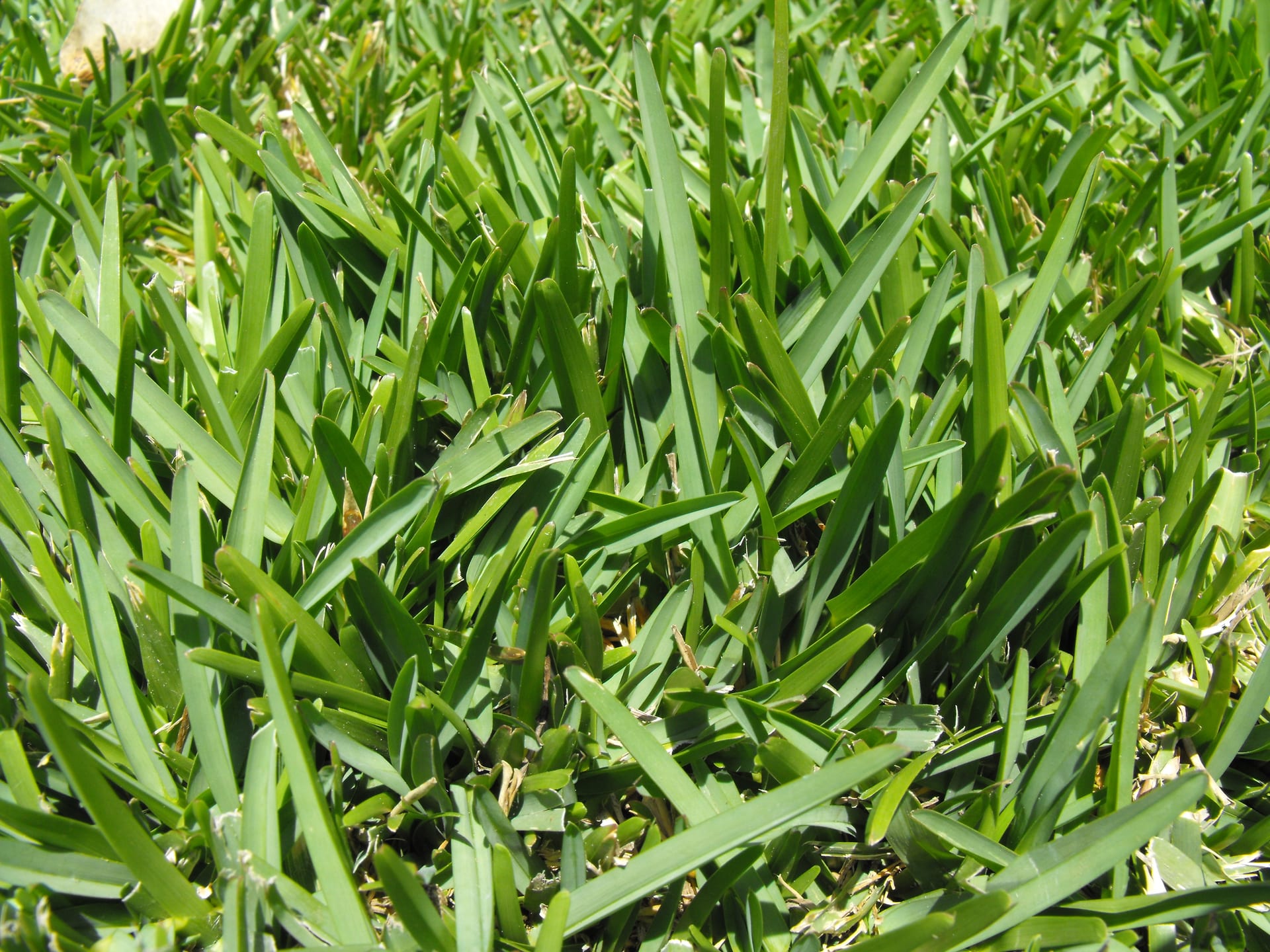
Most Sydney lawns are buffalo, kikuyu, couch or zoysia. They grow hard from spring to autumn and slow right down in winter, so what your lawn needs changes month to month. This guide covers what lawn care includes, how it differs from maintenance, and a season-by-season program you can follow or hand to a lawn care professional.
What does lawn care include?
Lawn care includes six jobs that look after the grass itself, not just its height. Each one is done at a specific time of year:
- Feeding. A slow-release fertiliser in spring and autumn keeps growth even and the colour deep.
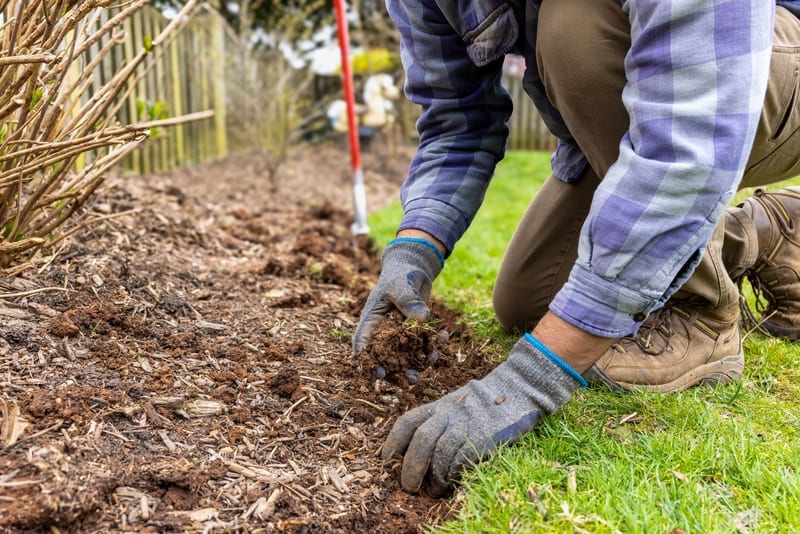
- Aerating. Coring compacted soil lets water, air and fertiliser reach the roots.
- Weed control. Removing weeds by hand or spot-spraying, plus a pre-emergent before the seasons when weeds germinate.
- Pest control. Checking for and treating lawn grubs and armyworm, which are active from spring to early autumn.
- Disease control. Spotting fungal patches early and fixing the conditions that cause them, usually poor drainage or watering at night.
- Watering and soil health. Testing soil pH and nutrients when a lawn stops responding to feeding, deep and infrequent watering, and a wetting agent where water runs off instead of soaking in.
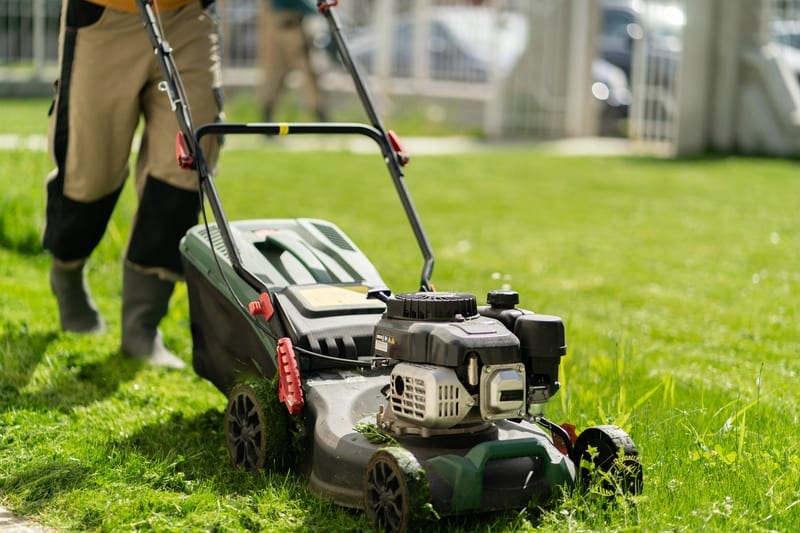
Mowing, edging and blowing clippings are lawn maintenance. They keep the lawn looking tidy, but on their own they don't keep it healthy.
Lawn care vs lawn maintenance: what's the difference?
Lawn maintenance keeps a lawn neat; lawn care keeps it alive and healthy. Maintenance is frequent and visible, often weekly in summer. Care is less frequent but decides whether the lawn thins out, browns off or fills with weeds.
| Lawn maintenance | Lawn care | |
|---|---|---|
| What it covers | Mowing, edging, blowing or collecting clippings | Feeding, aerating, weed and pest control, disease prevention, watering and soil health |
| How often in Sydney | Weekly to fortnightly in summer, every 3–4 weeks in winter | A few planned visits a year, timed to the seasons |
| What it fixes | Length and tidiness | Thin patches, weeds, pests, poor colour, compacted soil |
| What happens if you skip it | The lawn looks untidy | The lawn declines, even if it's mown every week |
Many homeowners book mowing and assume the lawn is looked after. If your lawn is mown regularly but still patchy or weedy, it's missing the care side.
Not every business uses the terms the same way. Some mowing contractors call mowing plus a weed spray "lawn maintenance", so ask what a visit actually covers rather than relying on the name.
What about lawn care vs landscaping?
Landscaping changes a garden: new turf, garden beds, paving, retaining walls or a full redesign. Lawn care looks after a lawn that already exists. You'd call a landscaper to lay a new lawn, and a horticulturist or lawn care service to keep it healthy afterwards. If you're weighing up a new lawn, compare real and artificial grass first.
Signs your lawn needs care, not just mowing
If any of these sound familiar, more mowing won't fix it. Each points to a problem below the surface.
| Sign | What it usually means | Where to start |
|---|---|---|
| Weeds keep coming back | The grass is too thin to compete, or weeds are germinating in seasons you're not treating | Pre-emergent at the right time, plus feeding to thicken the lawn |
| Patchy or thinning grass | Compacted soil, low nutrients or too much shade | Coring, a feed, and a soil test if it doesn't respond |
| Brown or spongy patches | Lawn grubs eating the roots, or a fungal disease | Lift a patch and look; check from October to autumn |
| Pale or yellow colour, even after rain | The lawn is hungry, or the soil pH is locking up nutrients | A feed in season; a soil test if colour doesn't return |
| Water runs off instead of soaking in | Water-repellent soil, common in sandy coastal Sydney soils | A wetting agent before summer |
A year-round lawn care program for Sydney
A Sydney lawn needs two feeds a year, one aeration, weed control in two windows and close watching for grubs over the warm months. The table below sets out when; the sections after it explain each season. For the rest of the garden, see our Sydney garden calendar.
| Season | Feed | Aerate and soil | Weeds | Pests and disease | Mowing and watering |
|---|---|---|---|---|---|
| Spring (Sep–Nov) | First feed once growth restarts, September or October | Core compacted areas; dethatch if needed; wetting agent before summer | Spot-spray or pull broadleaf weeds; pre-emergent for summer grass | Start checking for grubs and armyworm from October | Mow more often as growth picks up |
| Summer (Dec–Feb) | Light feed only if needed; never in a heatwave | Avoid heavy work in extreme heat | Hand-pull as weeds appear | Peak season for lawn grubs and armyworm; fungal patches after humid storms | Raise the cut; water deeply, early morning |
| Autumn (Mar–May) | Second feed, March to April | Repair bare patches while the soil is still warm | Pre-emergent for winter grass, March to April | Grubs can stay active into autumn | Reduce watering as nights cool |
| Winter (Jun–Aug) | Little or none; growth has slowed | Keep traffic off wet, soft areas | Treat bindii and winter grass before they seed | Watch shaded, damp areas for disease | Mow less often and leave it a little longer |
Spring lawn care (September to November)
Spring sets the lawn up for the year. Feed once the grass is actively growing, core any compacted areas, and deal with weeds before summer grass germinates. A wetting agent in late spring helps water soak in rather than run off once the heat arrives.
Summer lawn care (December to February)
Summer is about protecting the lawn from heat and pests. Mow higher, water deeply in the early morning and check weekly for grub damage. Our guide to lawn care in Sydney's summer heat covers this season in detail.
Autumn lawn care (March to May)
Autumn is the second most important season. Feed while the soil is still warm, repair worn or bare patches before growth slows, and apply a pre-emergent to stop winter grass taking hold.
Winter lawn care (June to August)
Warm-season grasses slow down in winter, so do less. Mow less often, avoid heavy feeding, and treat winter weeds such as bindii before they set seed in spring. It's a good time to plan spring work and book any renovation.
How to care for a lawn: the basics
Good lawn care comes down to seven habits. Each has its own detailed guide; here is what matters most.
Mow high and often
Never remove more than a third of the leaf in one cut. Cutting too short ("scalping") weakens the grass and lets weeds in. The right height depends on your grass type; see how to mow a lawn properly for heights by grass and season.
Water deeply, not daily
A long soak once or twice a week grows deeper roots than a light sprinkle every day. Water in the early morning so the grass dries during the day. Our lawn watering guide covers how often and how long, and an irrigation system can take the job off your hands.
Feed twice a year
A slow-release lawn fertiliser in spring and again in autumn is enough for most Sydney lawns. Water it in, and avoid feeding in a heatwave. Our guide to when and how to fertilise a lawn in Sydney covers products and timing.
Aerate compacted soil
If water pools or the soil feels hard underfoot, the lawn needs coring. Spring and early summer, while the grass is growing strongly, are the best times. See our guide to aerating, dethatching and top dressing a lawn.
Keep weeds out
A thick, well-fed lawn is the best weed control, because weeds struggle to find space. Pull or spot-treat weeds early, and use a pre-emergent before the main germination seasons. Learn how to get rid of weeds in your lawn without harming the grass.
Check for grubs and armyworm
Brown patches that lift like carpet, or birds pecking at the lawn, often mean grubs underneath. Check from October through to autumn and treat early. Our guides to lawn grubs in Sydney and armyworm explain how to identify and treat each.
Watch for disease
Fungal patches usually follow humid weather, poor drainage or watering at night. Fix the cause as well as treating the patch. See common lawn diseases and how to treat them.
Doing it yourself vs a lawn care service
You can do most lawn care yourself if you have the time, the tools and a calendar to follow. A service is worth it when the timing keeps slipping, the lawn has a problem you can't diagnose, or you'd rather hand over the whole program.
| DIY | Professional lawn care | |
|---|---|---|
| Best for | Small lawns, keen gardeners | Busy households, larger or struggling lawns |
| You supply | Fertiliser, spreader, corer hire, sprays, time | Nothing; the visits are scheduled for you |
| Main risk | Wrong timing or wrong product for your grass | Choosing a mowing-only service and calling it lawn care |
Whatever you choose, ask what a visit actually includes. A mow-and-go service is lawn maintenance. A proper program also covers feeding, aeration, weeds, pests and soil.
A "weed and feed" added to a mowing visit isn't the same as a program. It treats every lawn alike, and one application can't cover the different weeds, pests and feeding needs of each season.